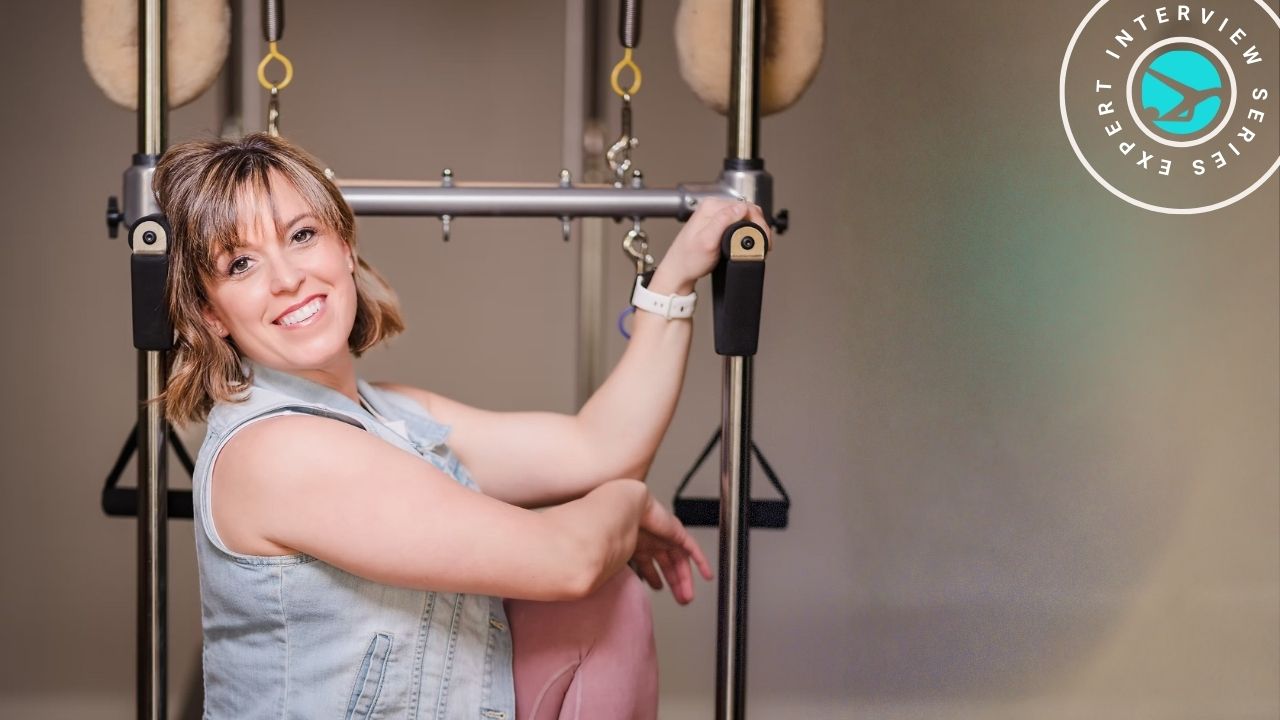

If you’ve ever finished a session and thought, “Was that… good?” you’re not alone.
Most Pilates teachers don’t struggle with the exercises themselves. They struggle with pressure. Pressure to sound confident. To cue perfectly. To manage time. To look like a “real instructor.”
In this episode of the PilatesBridge Live Show you will learn how to become a confident Pilates teacher and break past the biggest hurdles holding you back – fear of teaching, imposter syndrome, and the pressure to be “perfect.”
Meet Heidi Coles
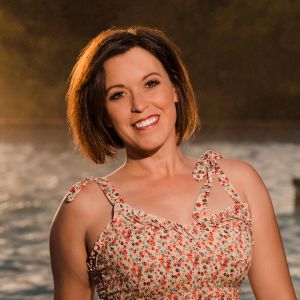
Heidi Coles has spent her life in movement, from dance and aerial arts to Pilates education, and she brings that same energy and heart into everything she teaches. A BASI-trained Pilates instructor, Pre- & Postnatal Specialist, and Balanced Body Educator, she teaches on platforms like the Balanced Body YouTube channel and Pocket Pilates while mentoring teachers at Blue Moon Pilates. Rooted in faith and fueled by a deep love for learning, Heidi is passionate about helping new instructors find their voice, build confidence, and grow into themselves – mistakes, curiosity, and all.
Connect with Heidi Coles
Instagram: heidi.m.coles
Website: movewithheidicoles.com
Youtube: Free Pilates Workouts – Move with Heidi Cole
Highlights from the Live Show
What Makes an Effective Pilates Instructor
Effective Pilates teaching is not about perfect choreography or advanced movement vocabulary. It’s about responsiveness.
The most effective Pilates instructors consistently focus on the person in front of them, not their own performance. They understand the purpose behind each exercise and adjust in real time based on what they see, feel, and observe.
Heidi described this as teaching with a servant’s heart. Pilates is a service profession. When the question shifts from “How do I look as a teacher?” to “How do I help this client today?”, clarity improves and confidence follows naturally.
How to Become a Confident Pilates Teacher
Confidence in teaching does not come from memorizing more exercises. It comes from preparation with intention.
Confident teachers arrive with a clear goal for the session rather than a rigid plan. They choose movements that support that goal and stay flexible when the session unfolds differently than expected.
One of the most freeing mindset shifts is this:
Your client does not know your plan.
If you complete half of what you intended and your client feels better, stronger, or more supported, you’ve succeeded.
How to Build Teaching Confidence After Pilates Certification
Many instructors feel most uncertain after completing Pilates teacher training. Certification teaches you the system, but teaching adds layers that can feel overwhelming at first.
Teaching Pilates requires you to explain, observe, manage energy, track time, and make decisions on the spot. Feeling unsure during this stage is not failure. It is skill development.
A simple session structure can reduce anxiety and improve flow:
- Begin with arrival, breath, and gentle warm-up
- Center the session around one clear theme
- Finish by integrating and re-centering the body
Theme-based sessions help new teachers stay grounded while remaining adaptable.
Pilates Cueing Strategies for New Teachers
Cueing is one of the biggest confidence hurdles for Pilates instructors.
New teachers often swing between over-cueing and under-cueing. A reliable middle ground is to keep cues purposeful and concise.
A helpful framework is:
- Set the position
- Initiate the action
- Direct attention to sensation
Once the client is moving, pause and observe. Clear cues paired with observation are more effective than constant talking.
You don’t need more cues. You need the right ones.
How to Overcome Imposter Syndrome as a Pilates Teacher
Imposter syndrome is common in Pilates teaching and does not disappear with experience.
It often sounds like quiet self-doubt:
- “Why would someone choose me?”
- “Other teachers are better.”
- “I’m not advanced enough.”
Even seasoned instructors experience these thoughts. The shift is learning not to center them.
Not every client will connect with your teaching style. That does not mean you are ineffective. It means you are not their teacher. Your responsibility is safety, clarity, and progress, not universal approval.
How to Overcome Fear of Teaching Pilates Clients
Fear often shows up when instructors worry they are not skilled enough, strong enough, or articulate enough.
You do not need to physically perform every advanced exercise to teach well. What matters is understanding the purpose of the movement, offering safe progressions, and guiding clients clearly.
For instructors teaching in a second language, simplicity becomes an advantage. Demonstration, consistent terminology, and repeated phrases build clarity and confidence over time.
Confidence grows through repetition, not perfection.
A Simple Confidence Reset Before You Teach
Before your next session, take a moment and reset:
- My job is to help this person feel better
- I don’t need to be perfect, I need to be present
- Clear beats clever
- Safety first, progress always
Confidence in Pilates teaching is built one session at a time. Through practice. Through reflection. Through showing up.
Full Live Show Transcript
Anastasiya Goers (00:03) Hi everyone, welcome to the Pilates Bridge live show. Today I’m talking with Heidi Coles, and we’re discussing how to be a better teacher, how to overcome fear as a teacher, how to build teaching confidence, and how to navigate the biggest teaching hurdles, fear of teaching, posture syndrome, and the pressure to be perfect or compete.
Anastasiya Goers (00:30) Whether it’s comparing yourself to other teachers or feeling social pressure, this episode covers it. If any of that sounds familiar, this is the show for you. To get started, I’d love for Heidi to introduce herself. She’s a Balanced Body educator and presenter. Heidi, how many years have you been teaching?
Heidi Coles (00:51) About 16 years. 16 years of teaching.
Anastasiya Goers (00:55) Yes. I absolutely love your Instagram account. That’s part of how we connected. We connected through the Pilates Bridge newsletter, but I was also following you on Instagram, and it’s always cool to see other colleagues and instructors there. Heidi, tell us about your Pilates background and how you became an educator.
Heidi Coles (01:24) First, I want to say publicly that I love what you do. I love your newsletter. I’ve subscribed for years. We started talking when I saw you had Carrie Pagas on, and I thought, “That’s a great guest.” I really love what you’re doing for the Pilates community, and I wanted to chat with you because this topic is so important for new instructors.
A little about my background: my first certification was through Body Arts Science International (BASI). My first mentor was Karen Kliffinger. I also have a dance specialization through BASI. I taught through BASI for a few years, and then I received my pre- and postnatal Pilates certification through Live Life Pilates with Leah Stewart.
So yes, I trained with Leah Stewart, she’s a mentor and a dear friend to this day. And more recently, within the last four or five years, I did my training through Balanced Body to become an educator. I now teach at Blue Moon Pilates in Mission Viejo, California. I teach under the guidance of Kelly Leonardi, who owns and operates Blue Moon Pilates, and she’s been a mentor to me. I also have to mention Erika Quest; she’s the reason I met Kelly in the first place. It’s been amazing.
Teaching education through Balanced Body at Blue Moon has been awesome. I feel like I found my calling as a teacher, but that’s not without hurdles. I had all the same feelings new teachers have, questioning yourself, because we all want to do well and give the best to our clients. But you question: Am I doing the right thing? Is this going to serve them? Are they going to like me? And it comes down to perspective, serving them. It’s not really about us; it’s about them.
That’s territory people have to navigate as new instructors. And even if you’ve taught for a while, you still have moments like, “Why didn’t they come back to my class?” It happens. So I felt like this would be a great topic to talk about.
Anastasiya Goers (04:30) It really is a great topic, because when we start teaching, no matter how long ago, we have so many questions. A lot of times, teacher training doesn’t fully prepare you for the confidence issues and insecurities that come up. Most people come into teaching Pilates not from a teaching background, but from other backgrounds. It’s a completely different set of skills, and you don’t know what you don’t know until you start teaching. Then it’s like… wow.
Heidi Coles (05:12) Exactly. It’s one thing to practice the method, and another thing to turn around and teach it. Totally different. You deal with being tongue-tied: What do I say? How do I cue this? Where do I start?
Sometimes you just start, rip off the band-aid, and whatever comes out, comes out. Over time, it gets easier. You have to give yourself grace during that learning process.
Anastasiya Goers (05:49) When we talk about being a confident teacher, or a good teacher, what, in your opinion, defines a good Pilates teacher?
Heidi Coles (06:05) That’s a great question. For me, it goes back to having a servant’s heart. When it’s about your clients, how you can serve them and help them, that’s what makes a good teacher.
Because there are people who want to get ahead and be seen, but we’re in the service industry. So it starts with the heart.
Then there’s preparation. How do you prepare for your clients or group classes? How are you preparing during training? Are you diving into the exercises? Are you dissecting and really understanding them?
Or are you trying to get through training so you can teach movement and wear yoga pants all day? There’s a lot to be said for the teacher who goes the extra mile, learning anatomy, learning the modality of what Pilates truly is, beyond the best playlist and the best workout clothes.
It really comes down to the heart of the teacher.
Anastasiya Goers (07:39) I like that. If you don’t love what you do, you can’t serve people with your full heart.
Heidi Coles (07:47) Yes, and also, continuous learning. The yearning to learn. When an instructor stops learning and stops wanting to better themselves, that’s often when burnout sets in. You’re not happy with what you’re doing.
So never stop learning. That’s part of what makes a good instructor. And like you said earlier, people can be overwhelmed because it’s more than they expected. It’s not a five-hour certification. Teaching the whole Pilates method is a lot.
Anastasiya Goers (08:55) Let’s talk about personal experiences when we first started teaching. There’s a learning curve and common mistakes new teachers make. For me, I was super excited when I finished training and started my teaching hours. But my biggest mistake was overplanning.
I wanted to fit so much into a session. Then I’d get frustrated because I’d be near the end and only halfway through my list. I’d think, “How am I going to fit it all in?” I used to judge it based on how fast I could perform the routine in my own body.
But when you teach someone, especially a beginner, it takes longer. Even if they’ve done Pilates before, they might be used to different cues or sequencing. So I had to hold back and tone it down.
What about you? Any beginner mistakes you made or things you see often?
Heidi Coles (10:17) One thing I love about the BASI program is the block system. When you write out your program, you follow blocks of warm-up, footwork, abdominal work, hip work, and so on. It’s a good outline, especially in the beginning. You pick a couple of exercises from each block and “plug and play.”
But you still have to account for the timeframe, 50 or 60 minutes, and how long it takes to teach the movement: for them to receive the information and execute it.
It’s one thing for us to do it quickly in our own bodies, but teaching takes time. So I still tell my trainees: it’s better to have too many ideas than not enough. Then think about what you’ve already done and pick and choose your battles.
If you only have 10 minutes left, look at what’s remaining and ask: what would meet their needs right now? Clients don’t know your plan.
It’s like if you’re a dancer and you forget the choreography in a solo, nobody knows. You keep going. So pick the exercises that will be most beneficial based on what you’ve done so far, and then round out the session to still make it feel whole-body and integrated. If you didn’t cover something, you can say, “Next time we’ll cover A, B, and C.”
It’s a learning curve. You learn something from every person and every session.
For me, warm-up becomes extended warm-up. I get excited about what I’m seeing in front of me and think, “We could do this now.” Then I realize we haven’t done something else, and I look at the time. It happens when you get excited about working with the body in front of you.
Anastasiya Goers (14:03) The next question came from a subscriber, Anne Marie. She’s asking for tips on managing time during a 50-minute class.
Heidi Coles (14:18) In a 50-minute class, yes. It’s what we just discussed, and it’s okay to look at the clock. You’re not looking because you want it to be over. You’re looking to see how much time you have to teach this and move on.
You’ll need to pick and choose how thorough you want to be. In a private session, if the client needs more attention on something specific, you might spend more time there and take time away from something less important that day.
In group classes, it’s hard for new teachers because you want to give all the details and make sure everyone is moving perfectly. But in group settings, especially with 12 or 15 reformers, it’s impossible to make sure everyone is perfect. If they’re moving safely, that’s the priority.
Sometimes you have to let go and decide: do I spend more time here, or do I move on? If you dwell too long, clients can get frustrated if they don’t get it right away. It’s a process. They’re not looking for perfection, just progress.
So it’s about how many variations you choose, and how many exercises you do for things like back extension or lateral flexion. Every class teaches you how long it takes to communicate.
Less is more. Don’t feel like you have to get every detail out at once. Get them moving, then go deeper on the details that matter. That saves time and keeps clients engaged.
Anastasiya Goers (17:26) It’s a learning curve. We improve from every session. There are no shortcuts, no magic pill. You teach, you learn, you improve.
But a big struggle is wanting perfect form and giving every cue. Some teachers over-cue and spend 10 minutes explaining footwork alignment. Others say the bare minimum because they’re tongue-tied and scared to cue.
Can you speak to both? What’s the best approach?
Heidi Coles (18:54) If you’re afraid to cue, it often comes down to more studying and understanding the exercises. When you understand the exercises and practice them yourself, you feel more confident cueing because you know what it feels like and can translate that to clients.
For over-cueing: it happens. I remind myself, set the clients up, then get them moving. I ask trainees, “What’s the most important part?” They usually say the setup, and yes, setup matters. Then once they’re moving, you observe what the body does and fine-tune. That’s where cueing happens.
Tell them what to feel, what they should be noticing, or how it supports daily movement. But also give them time to experience it. Sometimes I give one focus cue and then watch. Not silent too long, but enough for them to feel the exercise.
I’ve taken classes where I tune out because the instructor is talking too much. It happens.
And being tongue-tied happens to me, too. Just this week, I was cueing my client with conviction; she was doing supine triceps on the reformer, and I said, “Really straighten your knees.” Then I realized, “What am I talking about?” It happens. We laugh, the client laughs. If you own it, it’s not a big deal.
There’s also a question that connects to this.
Heidi Coles (22:02) The question is: What fears did you have when you first started teaching, and which ones turned out not to matter? And how did you develop your own cueing voice?
In the beginning, you’re heavily influenced by your mentors and the teachers around you. I love Leah Stewart. I was with her for a long time, taught at her studio, and observed her. It was funny because I was observing her without realizing she was in my manuals.
She’s amazing and creative, but she’s soft-spoken and serene. I call her “granola” in the best way. I thought I had to be like her, or be like another teacher, more serious, more soft-spoken, something.
But I realized that’s not me. I felt like I had to fit in a box, and I decided: no. The community already has Leah Stewart. The community already has Erika Quest. The community needs a Heidi Coles.
I’m more free-spirited, lighthearted, fun, and energized. So I leaned into that. This is who I am. And you attract clients who like you and how you teach.
That was my biggest takeaway: I feared I had to be someone I wasn’t. Accepting who I was as a teacher helped so much. That’s how I found my cueing voice.
I teach the way I like to be taught. I resonate with teachers like Erika Quest; she’s a ball of energy, and that’s the type of embodiment I love, so that’s how I teach, too.
Anastasiya Goers (25:01) There’s nothing wrong with learning from other teachers and trying different classes, seeing how they present, how they behave in the room, the energy they bring. That helps you fine-tune your own voice and understand what resonates with you.
You don’t have to become that person. You’re learning from them and then infusing your own personality into your teaching.
Heidi Coles (25:50) Exactly. And one thing I’ll add: when it comes to cues, steal away. If you hear cues that resonate, use them.
I’ve written down cues over the years from observation hours and from classes I’ve taken with instructors I respect. I want trainees to take cues that work for them. If it helps them teach and helps clients, take it.
This isn’t about my ego. It’s about serving and helping people. So steal cues, just don’t steal personality. Use your own personality, and borrow cues that work.
Anastasiya Goers (27:08) Another question is from Mandy: how do you simplify Pilates cues for kids and seniors?
Heidi Coles (27:22) I’ll be honest, working with kids is not my gift. There’s a reason I didn’t go into teaching dance. With kids, you often have to lean into imagery, not details. Like “make a rainbow with your arm” or “make a rainbow with your side.” I’m not the best person for kids. There’s a woman who wrote a book on teaching Pilates to kids. I’m blanking on her name, but she’s incredible.
For seniors: not all seniors are the same. Age is a number, and everyone’s in a different place. It depends on reaction time and how they take in information, motor learning, too.
Some senior clients pick up things quickly. Others may have slower cognitive processing or reaction time. So it’s not just how you cue, it’s giving them time to understand what you’re saying.
Sometimes it comes down to demonstrating the exercise, seeing it, then doing it.
Also: be very literal. Very specific. I have clients where I’ll say something, and they do something completely different. Then they say, “Well, you didn’t say X, Y, and Z.” So I’ve learned to be extremely clear.
For example: “Take your arms overhead.” If someone is supine, they might take their arms behind them. But if you mean “frame your face,” say that.
Even yesterday, my client was doing footwork on the chair, pedal pumps, and she had pelvic instability. I said, “Draw your low belly up as you press down, stay on your sit bones.” She asked, “What do you mean?” So I said, “Both butt cheeks on the chair.” And she said, “Oh yes.” Sometimes that literal cue works better than anatomical language.
So it’s not only a senior thing, it’s meeting people where they are in learning and understanding.
Anastasiya Goers (31:38) One tip from working with seniors: speak loudly. Many have hearing issues. I used to teach classes and come home, and my husband would ask why I was screaming. But in a class, reformers moving, people not in unison, you have to project your voice, or they’ll tune you out.
Heidi Coles (32:24) Totally. At Blue Moon, we’re an authorized Balanced Body training center. On one side, we have group classes, max six, with comprehensive equipment. On the other side we have private sessions, sometimes five teachers working with clients.
When I started teaching there, I had to be reminded to be quieter. I’m partially deaf in one ear, and I also have a big personality. So I’ve worked hard to monitor my volume in private sessions. If other instructors are working, you need to teach to your client, not everyone else’s.
With a senior who is hard of hearing, I’ll stand closer to them and speak near their ear—not whispering, just close enough so I don’t have to project across the room. That way, I’m not distracting other clients.
Anastasiya Goers (34:28) Yes, mixed spaces require a different set of skills. Separate rooms make it easier, but if you share space, you have to plan differently.
Anastasiya Goers (34:58) Another question from Anna: how do you overcome imposter syndrome, especially when you’re still struggling with an exercise yourself? Or when you can’t progress to teaching more intermediate exercises because all your students are beginners?
Sometimes we can’t perform certain advanced exercises. That doesn’t mean we won’t work with clients who can. I’ll never perform what a competitive dancer can do, but as a Pilates instructor, it’s my job to teach what’s appropriate for them.
And the other part is: if you only teach beginners, you might not get enough practice teaching intermediate or advanced exercises.
Heidi Coles (36:14) Great question. Imposter syndrome still shows up for me, and I’ve been teaching for 16 years. I think imposter syndrome is often connected to caring deeply about what you do.
You start thinking: Why do people want to work with me? Are they going to figure out I don’t have all the answers? It’s a strange feeling.
What helps is centering it on the client, not on yourself. When I focus on my client, I stop spiraling about me.
As a new teacher, it’s hard because you’re building a schedule and trying to build clientele. You want clients to come back. If they don’t, you ask, “Was it me?” Sometimes you learn over the years to let it go. It’s not always personal.
Maybe someone doesn’t want energetic Heidi. Maybe they want soft-spoken “granola” Leah. And that’s okay. Not everyone will love every teacher, and that’s fine. It’s about the client.
I’ll share a story. When I was asked to present at Pilates on Tour Chicago, and I saw the list of presenters, I cried. I thought, “No one is going to take my workshop. No one knows who I am. Why would anyone come?” I made it about me.
But it wasn’t about me; it was about helping teachers help their clients. When registration opened, my prenatal workshop sold out in two days. We’re our own worst critics.
So give yourself grace. Remember the positive feedback you’ve gotten from clients and other teachers.
Now the second part: teaching advanced exercises when you mostly teach beginners and intermediates. It is challenging because you don’t always get the chance to teach advanced work.
What I recommend is staying connected with other teachers and practicing with one another, learning how to teach advanced exercises together.
Also, not all advanced exercises are attainable in your own body. But if you learn the setup, how to verbally cue, the principles behind it, and how to tactile cue, you can support your client well.
There are back extension exercises I personally struggle with, but I can teach them. You don’t want to hold back a client who has the skill or potential to do them.
So learn to peel back the layers. Even with beginner or intermediate clients, think about the “big exercises” you want to get them to eventually, and build the steps through foundational work.
And don’t be afraid to sprinkle in a little advanced work with intermediate clients, safely. They might surprise themselves.
Also, in Balanced Body education, Reformer 3 is all advanced and super advanced. I take those exercises and break them down: start here, then here, then here. Point A to point C doesn’t have to happen all at once.
And for trainees: meet yourself where you are. If the exercise isn’t working in your body, what matters is that you learn how to teach it well, how to cue it, how to guide it, how to support the client.
Anastasiya Goers (43:25) That was a great answer. A lot of teachers get stuck because if something doesn’t feel attainable in their body, they don’t teach it as much, subconsciously. But what doesn’t work for your body might be perfect for your client. Don’t let your personal experience limit your students.
I used to do that too. I realized that just because something doesn’t feel good for me, it doesn’t mean my clients can’t do it.
I’m back extensions all the way.
Heidi Coles (44:25) And I’m like, no thank you, no back extension for me.
Anastasiya Goers (44:28) For me, anything balance-related on the reformer, no. But back extension? Yes.
Heidi Coles (44:36) That’s the opposite for me. Give me teaser, short spine, long spine, inversions, airplane, yes. But swan and advanced back extension? No thanks. But I can teach it. I can teach it really well.
Anastasiya Goers (44:56) Exactly. If the client is safe and has the stability and control to do it, go for it. Why be limited?
We’re already about 45 minutes in, and I still have questions. But I want to shift to something important: what questions should someone ask before committing to a teacher training program? The program you choose can have a huge impact on your career.
Heidi Coles (46:01) I could get on my soapbox about this, but I’ll keep it short: make sure it’s an accredited training program. That way, you can take your education anywhere and teach at any studio.
Pilates is a buzzword right now and is becoming popular again. There are training programs that aren’t accredited and are created so you can only teach at that one studio. I’m not saying they’re all bad, but they’re not all created equal.
Training should be accredited and longer than five hours. One module in our comprehensive program is 16 hours, and then you have hundreds of hours of modules, plus observation hours, practical hours, and teaching hours. Those should be requirements.
That’s the biggest takeaway: accreditation. There are people claiming to be “the real deal” who aren’t. We get teachers coming into our program saying they spent money on another program and didn’t learn what they needed.
And when someone says, “It’s cheaper this way,” it’s often: you get what you pay for.
Do your research. Ask: can you use that certification anywhere? Will studios accept it?
Also, if you want to work in a strong studio environment, many studios require a comprehensive certification, the entire method. Pilates is not just reformer. That’s another soapbox I’ll stand on. Many reputable studios will require comprehensive certification.
Anastasiya Goers (49:20) I hear that from a lot of studios too. Some studios bring teacher trainings into the studio for that reason. It builds a relationship that benefits both sides.
For the studio, they can train students and apprentices and build their teaching team. For students, if there’s a local program, they can complete their hours and potentially work at that studio afterward. It helps solve the “What’s next? Nobody wants me” problem.
Also, if you have a local studio you want to work at, ask what credentials they’re looking for before you commit. You don’t have to train with them if they don’t offer it. But ask what they recommend and build a relationship with the studio, especially if you’re new and don’t know what to choose.
Heidi Coles (51:00) That’s great advice. Studios value instructors who are invested and ask the right questions. At Blue Moon, we notice who is committed, who is consistently there doing hours, showing up, and invested in what the studio is about. That can pay dividends in a job opportunity. How you conduct yourself as a teacher-in-training matters.
Anastasiya Goers (52:01) Katie asked: How do you begin your career after certification when Pilates studios want experienced teachers? What we talked about helps building relationships, having an accredited certification, and showing you’re serious.
Heidi Coles (52:37) Yes. Don’t hesitate during your hours to reach out to local studios and ask: “I’m going through my training, would you mind if I came to do observation hours?” Some studios are open to that.
Also, look at studios’ websites. See instructors’ backgrounds and where they trained. If a bio says only, “She likes to walk her dog on the beach,” and nothing about training, that’s a red flag for me.
Contact studios the old-school way: call or email. Observation hours help you build relationships, and that can lead to job opportunities.
You can also ask: “Are you looking for apprentice instructors?” Some studios offer discounted rates for student-teacher sessions. If a studio is looking for someone in training, that can be an avenue.
There’s no harm in asking. You have to get experience somewhere, and making those calls and building those connections can lead to opportunities.
Anastasiya Goers (54:47) Also, look for ways to benefit the studio. It’s work for a studio owner to take on new teachers. Offering help and adding value builds stronger relationships, and they’re more likely to support you, whether that’s mentoring, observation, or opportunities.
Anastasiya Goers (55:26) As we come to a close: What small daily or weekly habits can new teachers adopt to build confidence and sharpen skills?
Heidi Coles (55:45) Do your own practice. You don’t need an apparatus to do mat work. If you truly want to do this, make time.
Everyone’s on a different path. Some people are still working full-time, some are in school, but they carve out a few hours a week to work on their hours and practice.
I also tell students to make flashcards of movement principles. If you’re unsure of the principles or what’s inside an exercise, flashcards help.
The biggest thing is consistency. If you’re all over the place with your hours and practice, it’s harder for your brain to retain the new knowledge you’re trying to build.
Anastasiya Goers (57:25) One last question from Olga: What strategies can help overcome the fear of working with clients and communicating in a foreign language?
Heidi Coles (57:42) If there’s a language barrier, what’s helpful is demonstrating movement and being hands-on if they’re open to tactile cueing.
Your hands and arms are communication tools. Use tactile cues, imagery, and demonstration. Movement is universal.
I love watching foreign colleagues teach in their native language. Even if I don’t understand the words, I can understand what they’re communicating through their expression and body language.
So expression, tactile cues, and demonstration can be very helpful.
Anastasiya Goers (58:58) I agree. English is my second language, so I had to learn to teach in a second language. For me, it helped to memorize key cues early on names of exercises, common phrases, so I didn’t have to think as much in the moment.
I practiced speaking them out loud and taught anyone around me, my husband, friends, just to get comfortable.
Also, it can be helpful to watch teachers from other countries. Sometimes they teach in their language and also have an English version. You can tell it’s not their native language, but you see how they present and teach. That’s a great tool for anyone teaching in a second language.
Heidi Coles (01:00:03) That’s great advice. You have the experience with that, and it’s really helpful.
Anastasiya Goers (01:00:12) Heidi, thank you so much for your time. Before we finish, for anyone who wants to connect with you or learn from you, where can they find you? Are you presenting anywhere soon?
Heidi Coles (01:00:32) Yes, thank you for having me. This was fun.
You can find me on Instagram: heidi..coles (Heidi Coles was taken, so it’s Heidi dot dot Coles). I have a website: movewithheidicoles.com. That’s where you can find workshops and what I’m currently teaching.
I teach regularly at Blue Moon Pilates in Mission Viejo, California, where I have regular clients and teach Balanced Body education under the guidance of Kelly Leonardi.
I also have a YouTube channel. I haven’t posted in a while, but there’s a lot of content there. You can search “Heidi Coles” on YouTube.
Coming up next month, I’ll be teaching a workshop weekend at Movement Improved Pilates in Arlington Heights, Illinois. That will be on my website and linked in my Instagram bio. I’ll be teaching my prenatal workshop, ARC workshop, and an ARC master class.
Then I’ll be in London at Pilates on Tour London in April, teaching morning and afternoon workouts. If anyone is going, come say hi. I’m really excited. I haven’t traveled across the pond yet.
Those are the main things coming up.
Anastasiya Goers (01:02:32) Awesome. Thank you so much, Heidi, for sharing all of this with us.
Heidi Coles (01:02:41) Thank you so much for having me. I really appreciate it.